

Can I install Chevrolet Struts without a lift?
Oct 14, 2025
Leave a message
Hey there, gearheads and Chevy enthusiasts! I'm a supplier of Chevrolet Struts, and I often get asked a bunch of questions about these parts. One of the most common ones is, "Can I install Chevrolet Struts without a lift?" Well, let's dig into this topic and find out.
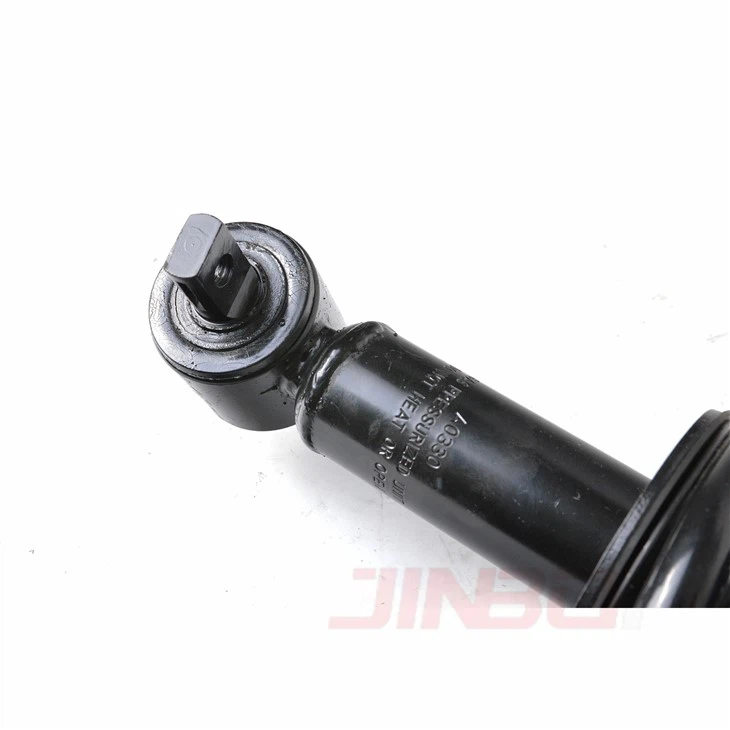
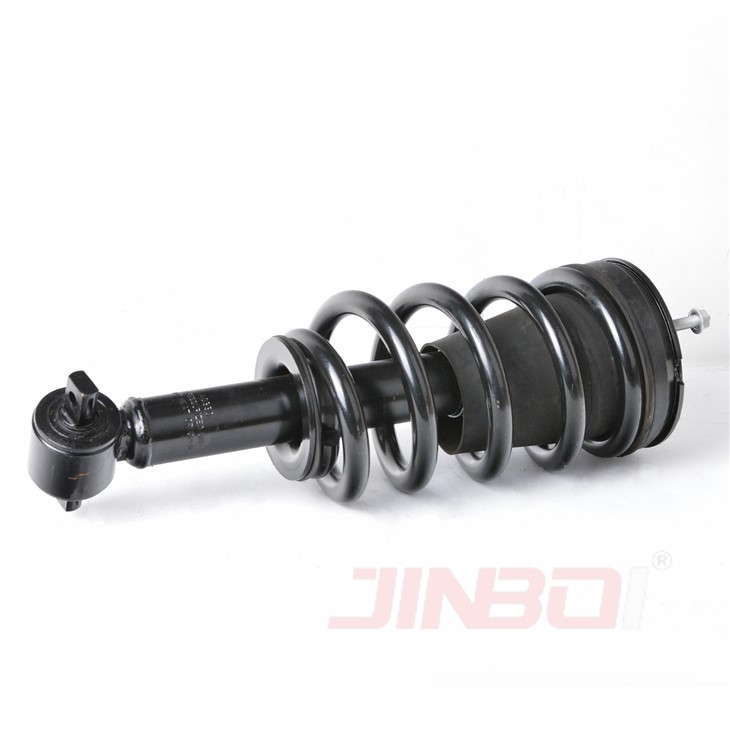
First off, let's talk a bit about what Chevrolet Struts are. Struts are a crucial part of your Chevy's suspension system. They help absorb shocks from the road, keep your tires in contact with the ground, and provide a smooth ride. You can check out our Chevrolet Suspension Shock Absorber Struts for more details on the different types and features.
Now, back to the main question. Technically, it is possible to install Chevrolet Struts without a lift, but it's not going to be a walk in the park. A lift makes the whole process a lot easier and safer, but if you don't have one, you can still give it a shot.
The Tools You'll Need
If you're going to attempt this without a lift, you'll need a good set of tools. Here's what I recommend:
- Jack stands: These are essential for keeping your car stable while you work. You don't want the car falling on you, that's for sure!
- A hydraulic jack: This will help you raise the car enough to get access to the struts. Make sure it's rated for the weight of your Chevy.
- Socket and wrench set: You'll need these to remove and install the bolts holding the struts in place.
- Spring compressor: Strut springs are under a lot of tension, so you'll need a compressor to safely remove and install them.
The Process
Here's a step - by - step guide on how to install Chevrolet Struts without a lift:
Step 1: Prepare Your Car
Park your Chevy on a flat, level surface. Engage the parking brake and put the transmission in park (or first gear if it's a manual). Loosen the lug nuts on the wheel where you'll be working, but don't remove them just yet.
Step 2: Raise the Car
Use the hydraulic jack to slowly raise the car at the appropriate jacking point. Once the wheel is about an inch off the ground, place the jack stands under the car's frame. Make sure they're secure and properly positioned. Then, slowly lower the car onto the jack stands. Now you can remove the lug nuts and the wheel.
Step 3: Remove the Old Strut
Locate the strut assembly. You'll usually find it connected to the steering knuckle and the upper strut mount. Use your socket and wrench set to remove the bolts holding the strut in place. This can be a bit tricky, especially if the bolts are rusted. You might need to use some penetrating oil to loosen them up.
Once the bolts are removed, carefully remove the old strut from the car. Be careful not to damage any of the surrounding components.
Step 4: Compress the Spring
If your new strut doesn't come pre - assembled with the spring, you'll need to transfer the spring from the old strut to the new one. This is where the spring compressor comes in. Follow the manufacturer's instructions to safely compress the spring. It's a dangerous step, so take your time and be extra careful.
Step 5: Install the New Strut
Once the spring is transferred or if you have a pre - assembled strut, carefully place the new strut in the same position as the old one. Re - attach the bolts and tighten them to the manufacturer's specifications.
Step 6: Re - install the Wheel
Put the wheel back on the car and hand - tighten the lug nuts. Then, use a torque wrench to tighten the lug nuts to the correct torque. This is important for the safety of your car.
Step 7: Lower the Car
Use the hydraulic jack to raise the car slightly off the jack stands. Remove the jack stands and slowly lower the car back to the ground. Finally, use the torque wrench to double - check the lug nut torque.
The Challenges
As I mentioned earlier, installing Chevrolet Struts without a lift has its challenges. Here are some of the main ones:
- Limited access: Without a lift, it can be difficult to get a good view and access to the strut assembly. You might find yourself in some awkward positions, which can make the job more time - consuming and frustrating.
- Safety concerns: Working under a car that's only supported by jack stands can be dangerous. There's always a risk of the car falling if the jack stands aren't properly positioned or if the ground isn't level.
- Difficulty with heavy parts: Struts and springs are heavy, and it can be hard to maneuver them into place without a lift. You might need an extra set of hands to help you out.
When to Consider a Lift
If you're not an experienced mechanic or if you're working on a larger Chevy model, it's probably a good idea to use a lift. A lift provides better access, more safety, and makes the whole process a lot easier. You can also check out our Front/Rear Shock Absorber Strut options, which are designed to fit different Chevy models and can be installed more easily with a lift.
Why Choose Our Chevrolet Struts
As a supplier, I can tell you that our Chevy Shocks are top - notch. We source high - quality materials and use the latest manufacturing techniques to ensure that our struts are durable, reliable, and provide a smooth ride. Whether you're a DIYer or a professional mechanic, our struts are designed to be easy to install and will give your Chevy the performance it deserves.
Contact Us for Your Purchase
If you're interested in purchasing Chevrolet Struts from us, we'd love to hear from you. We offer a wide range of struts to fit different Chevy models, and our team of experts can help you find the right ones for your car. Whether you need advice on installation or have any other questions, just reach out to us. We're here to make your Chevy suspension upgrade as easy and hassle - free as possible.
References
- Chilton's Chevrolet Repair Manual
- Haynes Chevrolet Service Manual
So, there you have it. You can install Chevrolet Struts without a lift, but it comes with its challenges. If you're up for the task, go ahead and give it a try. And if you need any Chevrolet Struts, don't forget to check out our products.