

What are the symptoms of bad Isuzu Struts?
Jun 03, 2025
Leave a message
Hey there, fellow Isuzu enthusiasts! As a supplier of Isuzu Struts, I've seen my fair share of worn - out and faulty struts. In this blog, I'm gonna spill the beans on the symptoms of bad Isuzu struts.
1. Bumpy Rides
One of the most obvious signs that your Isuzu struts are in bad shape is a bumpy ride. You know how it feels when you're driving on a relatively smooth road, but it still feels like you're on a roller - coaster? That's a red flag. Good struts are designed to absorb the shocks from uneven road surfaces. When they start to fail, they can't do their job properly.
Let's say you're driving over a small pothole or a speed bump. Normally, the struts would compress and rebound smoothly, minimizing the jolt you feel inside the vehicle. But with bad struts, you'll feel every little imperfection in the road. It can be really annoying, not to mention uncomfortable for you and your passengers. And over time, it can also cause damage to other parts of your vehicle's suspension system.
2. Excessive Bouncing
If your Isuzu bounces more than usual after hitting a bump or dip in the road, it's likely that your struts are to blame. A healthy strut will quickly dampen the up - and - down motion of the vehicle's wheels. But when the struts are bad, the vehicle will continue to bounce several times before coming to rest.
For example, when you go over a speed bump, your car should settle back down smoothly after the initial impact. However, if it keeps bouncing up and down like a basketball, that's a clear indication of worn - out struts. This excessive bouncing not only affects your driving comfort but also your vehicle's handling. It can make it harder to control the car, especially at higher speeds or during sudden maneuvers.
3. Uneven Tire Wear
Another symptom of bad Isuzu struts is uneven tire wear. Struts play a crucial role in keeping your tires in proper contact with the road. When they're functioning correctly, the weight of the vehicle is evenly distributed across all four tires. But when the struts are bad, the tires may not be able to maintain consistent contact with the road surface.
This can lead to uneven tire wear patterns. You might notice that the tread on one side of the tire is more worn than the other, or that the center of the tire is wearing out faster than the edges. Uneven tire wear not only shortens the lifespan of your tires but also affects your vehicle's safety. Worn - out tires have less traction, which can increase your stopping distance and make it more difficult to control the car in wet or slippery conditions.
4. Nose Diving and Rear Squatting
When you brake hard or accelerate quickly, your Isuzu should maintain a relatively stable position. But if you notice that the front end of the car dives down significantly when you brake or the rear end squats down when you accelerate, it could be a sign of bad struts.
Good struts help to keep the vehicle level during braking and acceleration. They resist the forward and backward motion of the vehicle's weight transfer. However, when the struts are worn out, they can't provide enough support. This can cause the front end to dip too far when you brake, reducing the effectiveness of your front brakes and increasing your stopping distance. Similarly, rear squatting during acceleration can affect the traction of your rear wheels and make it harder to accelerate smoothly.
5. Fluid Leakage
If you see fluid leaking from your Isuzu's struts, it's a major warning sign. Struts are filled with hydraulic fluid, which is essential for their proper operation. When this fluid leaks out, the strut loses its ability to dampen shocks effectively.
You can usually spot a fluid leak by looking at the strut. If you see a wet or oily spot around the base of the strut or along its shaft, that's a clear indication of a leak. Leaking fluid not only means that the strut is no longer working properly but also that it's likely to fail completely in the near future. It's important to address this issue as soon as possible to avoid further damage to your vehicle's suspension system.
6. Poor Handling and Steering
Bad struts can also have a significant impact on your Isuzu's handling and steering. You might notice that the car feels less responsive when you turn the steering wheel. It could take more effort to steer, or the car might not turn as sharply as it used to.
In addition, you may experience more body roll when cornering. Body roll is the side - to - side movement of the vehicle's body when you take a turn. While some body roll is normal, excessive body roll can make the car feel unstable and difficult to control. This is especially dangerous when you're driving at high speeds or in adverse weather conditions.
7. Noisy Suspension
A noisy suspension is another tell - tale sign of bad Isuzu struts. You might hear clunking, rattling, or knocking sounds coming from the front or rear of your vehicle when you go over bumps or drive on rough roads. These noises are often caused by the loose or worn - out components inside the struts.
The clunking sound could be due to a broken or worn - out bushing, which is a small rubber or polyurethane component that helps to cushion the movement of the strut. The rattling or knocking sounds might indicate that the internal parts of the strut are loose or damaged. Ignoring these noises can lead to further damage to the struts and other suspension components.
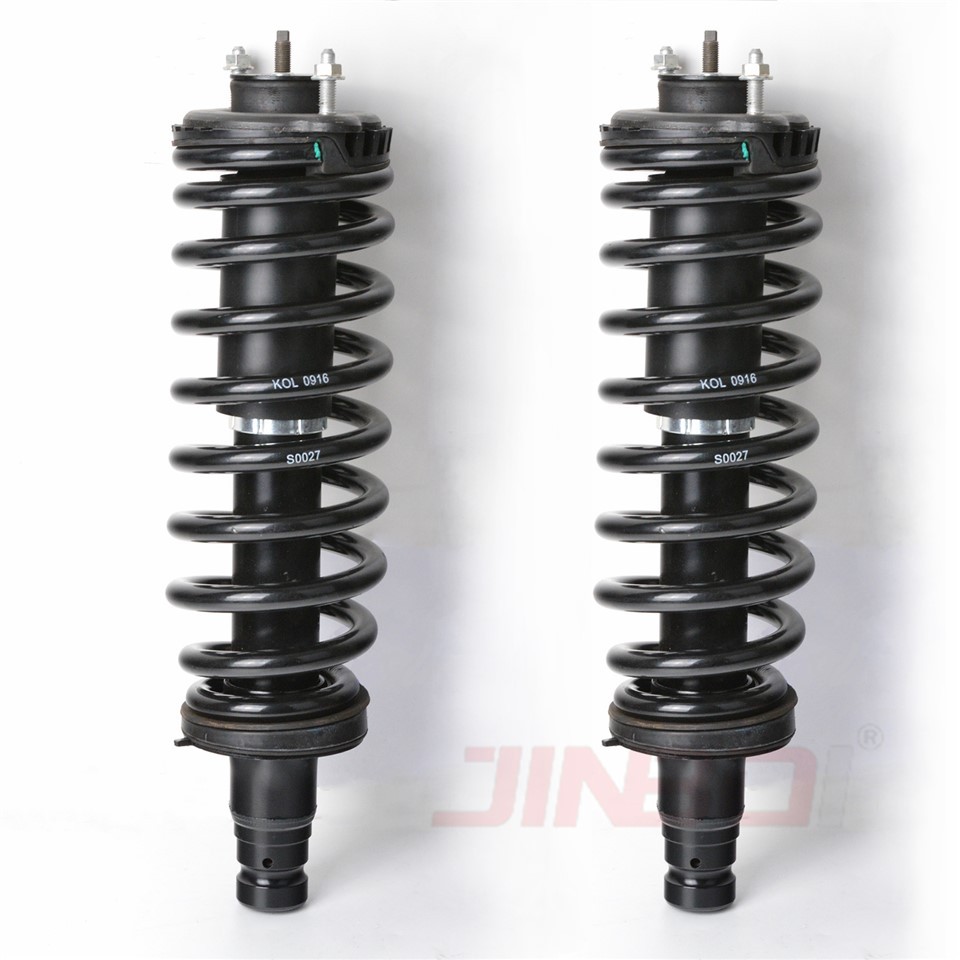
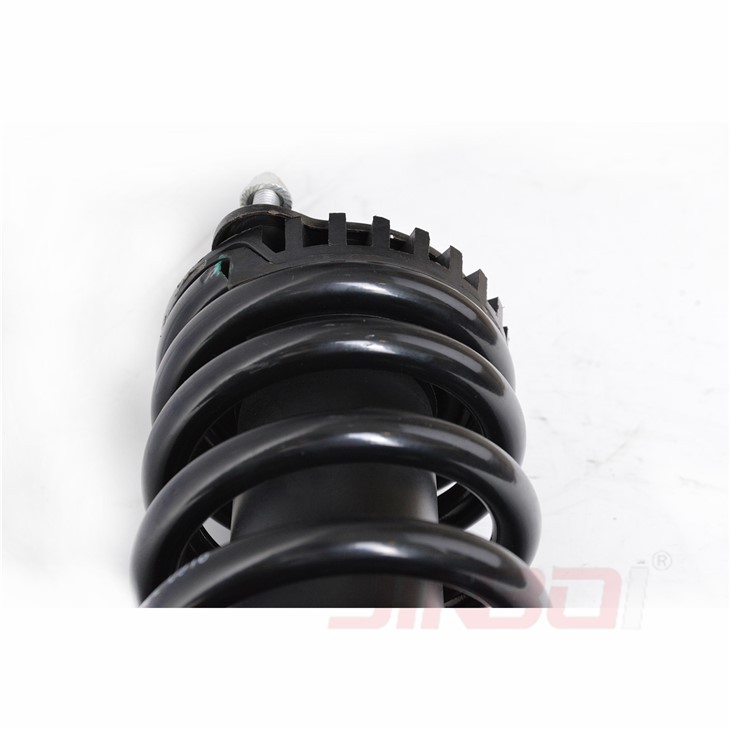
If you're experiencing any of these symptoms with your Isuzu, it's time to consider replacing your struts. As an Isuzu Struts supplier, I offer a wide range of high - quality struts for different Isuzu models. Whether you need an Isuzu Front Shock Absorber, an Isuzu Rear Shock Absorber, or Isuzu Auto Suspension Struts, I've got you covered.
Replacing your struts with new ones will not only improve your driving comfort but also enhance your vehicle's safety and performance. Don't hesitate to reach out if you're interested in purchasing our Isuzu struts. We can discuss your specific needs and find the perfect struts for your vehicle.
References
- Automotive Maintenance and Light Repair, 5th Edition, by Dennis R. Martin
- Chilton's Repair Manual for Isuzu Vehicles