

What is the stiffness of GEO Shock Absorbers?
Oct 08, 2025
Leave a message
Stiffness is a fundamental concept when it comes to shock absorbers, and understanding the stiffness of GEO Shock Absorbers is crucial for both automotive enthusiasts and professionals in the industry. As a supplier of GEO Shock Absorbers, I am well - versed in the technical aspects of these components and their performance characteristics.
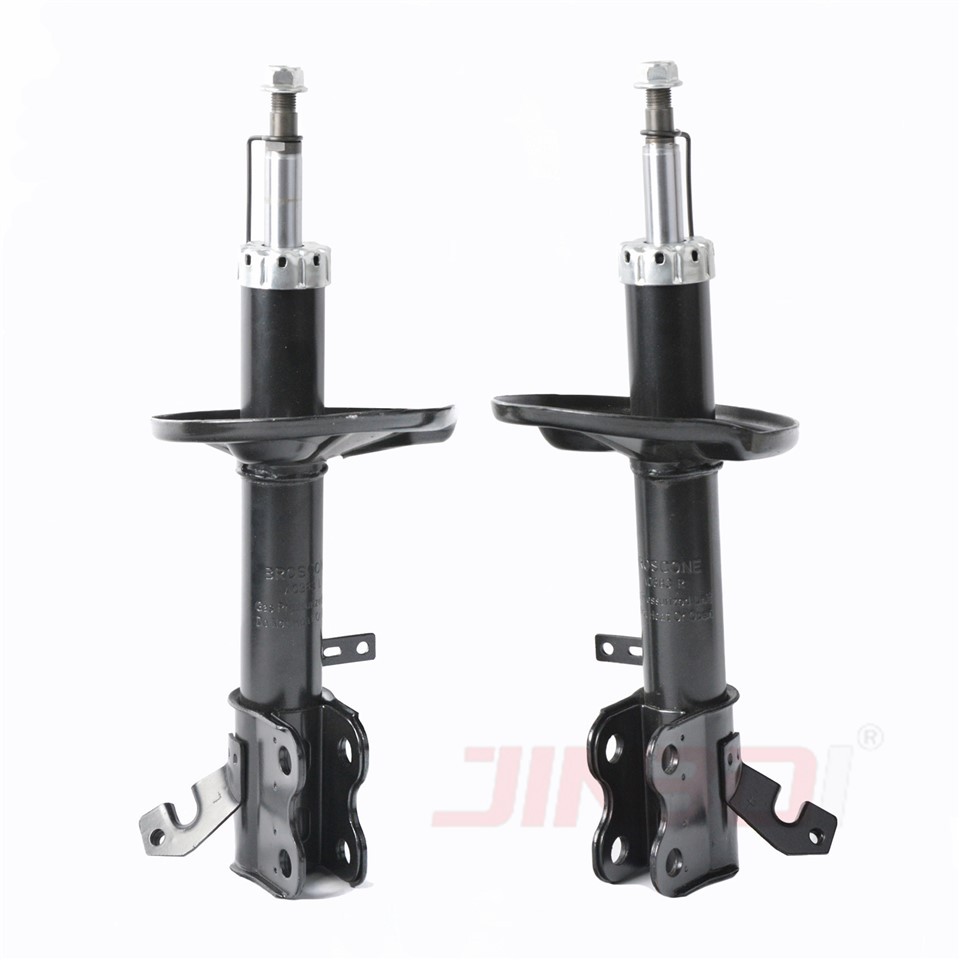
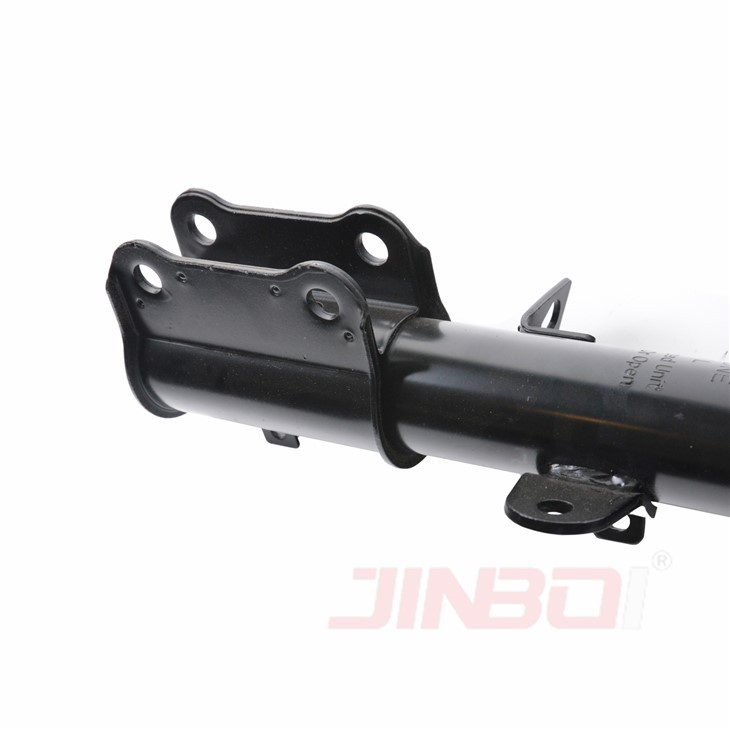
What is Stiffness in Shock Absorbers?
Stiffness in shock absorbers refers to the resistance they offer to compression and extension. In simpler terms, it is a measure of how difficult it is to compress or extend the shock absorber under a given load. A stiffer shock absorber will compress less for a given force compared to a softer one. This property is essential as it directly impacts the vehicle's handling, ride comfort, and overall performance.
The stiffness of a shock absorber is typically determined by its internal design, including the type of valves, the viscosity of the fluid used, and the spring rate if it has an integrated spring. For GEO Shock Absorbers, the engineering team has carefully calibrated these factors to achieve an optimal balance between different driving conditions.
Factors Affecting the Stiffness of GEO Shock Absorbers
Valve Design
The valves in a shock absorber play a critical role in controlling the flow of hydraulic fluid. When the shock absorber is compressed or extended, the fluid must pass through these valves. The size, shape, and number of valves can be adjusted to regulate the flow rate of the fluid. A shock absorber with a more restrictive valve design will have a higher stiffness because it restricts the movement of the fluid more effectively.
GEO Shock Absorbers are equipped with advanced valve technology. The valves are precisely engineered to provide different levels of stiffness depending on the speed of the suspension movement. For example, during normal driving conditions, the valves allow for a relatively free flow of fluid, providing a comfortable ride. However, when the vehicle encounters sudden bumps or high - speed cornering, the valves restrict the fluid flow, increasing the stiffness of the shock absorber to maintain better control.
Fluid Viscosity
The viscosity of the hydraulic fluid used in the shock absorber also affects its stiffness. Higher - viscosity fluids are thicker and offer more resistance to flow. GEO Shock Absorbers use high - quality hydraulic fluids with carefully selected viscosities. The fluid is formulated to maintain its properties over a wide range of temperatures. This is important because temperature can significantly affect the viscosity of the fluid. In cold temperatures, a fluid with too low a viscosity may become too thin, reducing the stiffness of the shock absorber. Conversely, in hot temperatures, a fluid with too high a viscosity may become too thick, causing the shock absorber to be overly stiff.
Spring Rate (if applicable)
Some GEO Shock Absorbers may have an integrated spring. The spring rate, which is the amount of force required to compress the spring by a certain distance, contributes to the overall stiffness of the shock absorber - spring assembly. A higher spring rate means that more force is needed to compress the spring, resulting in a stiffer suspension setup. The spring rate is carefully matched to the valve design and fluid viscosity to ensure a harmonious performance.
Importance of the Right Stiffness for GEO Vehicles
Ride Comfort
One of the primary goals of shock absorber design is to provide a comfortable ride. A shock absorber with the appropriate stiffness can effectively dampen the vibrations and impacts from the road surface. GEO Shock Absorbers are designed to filter out the small bumps and irregularities in the road, allowing passengers to enjoy a smooth and quiet ride. By absorbing the shocks, the shock absorbers also reduce the stress on other components of the vehicle, such as the tires, wheels, and suspension system.
Handling and Stability
The stiffness of the shock absorbers also has a significant impact on the vehicle's handling and stability. A stiffer shock absorber can improve the vehicle's cornering ability by reducing body roll. When the vehicle enters a turn, the lateral forces cause the body to lean. A stiff shock absorber can resist this lean, keeping the vehicle more level and improving the contact between the tires and the road. This results in better traction and more precise steering response.
In addition, during braking and acceleration, the appropriate stiffness of the shock absorbers helps to maintain the vehicle's balance. It prevents excessive nose - dive during braking and squat during acceleration, ensuring that the vehicle remains stable and predictable.
Applications of Different Stiffness Levels in GEO Shock Absorbers
Daily Driving
For daily commuting and general driving, GEO Shock Absorbers are designed with a relatively moderate stiffness. This allows for a comfortable ride while still providing sufficient control. The shock absorbers can handle the normal bumps and potholes on city streets and highways without sacrificing too much comfort.
Performance Driving
For those who enjoy more spirited driving or participate in track events, GEO offers shock absorbers with higher stiffness levels. These performance - oriented shock absorbers are tuned to provide maximum control during high - speed maneuvers. They can handle the increased forces generated during aggressive cornering, braking, and acceleration, allowing the driver to push the vehicle to its limits.
Where to Find GEO Shock Absorbers and Spare Parts
If you are in need of GEO Shock Absorbers or their spare parts, you can visit our website. We offer a wide range of products, including GEO Shock Absorbers Spare Parts, Front Shock Absorber for GEO, and Auto Suspension Spare Parts GEO Shock Absorber. Our products are of the highest quality and are designed to meet the specific requirements of GEO vehicles.
Contact for Procurement
If you are interested in purchasing GEO Shock Absorbers or have any questions about our products, please feel free to contact us. We have a team of experienced professionals who can provide you with detailed information and assist you in making the right choice for your vehicle. Whether you are an auto repair shop, a car enthusiast, or a distributor, we welcome you to start a procurement discussion with us.
References
- Automotive Suspension Handbook, Second Edition by Rudolf Limpert.
- Fundamentals of Vehicle Dynamics by Thomas D. Gillespie.
- SAE International publications on shock absorber technology.